.webp)
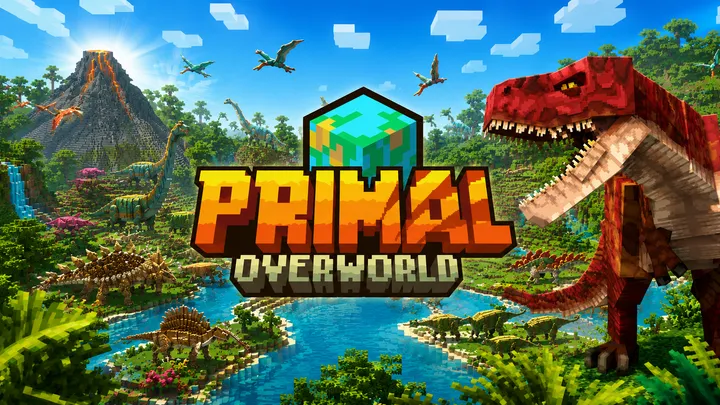

The gaming landscape in 2025 is shaped by five dominant titles: Roblox, Free Fire, GTA V, Wuthering Waves, and Minecraft. Their worldwide popularity is not simply the result of good graphics or engaging gameplay; each game thrives because it has built enormous, long-running ecosystems with massive communities and ongoing updates. Yet beneath the surface of their success lies a specific structural issue within each game—an issue critical enough to influence long-term player experience, community behavior, and the sustainability of the game itself.
This article takes a deep, non-generalized examination of the most pressing issue affecting each of these top games. Above all, the goal is to move beyond surface-level descriptions and dig into the underlying systems and design choices that fuel frustration, impact retention, and shape the future of the games millions love.
The Complexity of Popularity in the Gaming World
The world’s top games are no longer simple entertainment products. They are living ecosystems that evolve, expand, and mutate based on millions of player actions and continuous developer updates. But this constant growth creates structural weaknesses.
Players often assume that a game is “popular because it is good,” yet the truth is more nuanced. A highly successful game becomes a massive system with intertwined features that eventually push against one another. This leads to balancing issues, economic problems, inconsistent quality, and player frustration.
In this section, we explore why popularity accelerates system problems, setting the stage for a deeper examination of five different games.
The Hidden Weight of Large Communities
A game with millions of players must serve an incredibly diverse audience. Every update has both winners and losers. The more people who play, the more likely it is that design decisions spark controversy.
How System-Level Issues Form Over Time
These issues typically appear months or even years after launch. They form slowly through updates, expansions, new content, and gameplay shifts. They are not surface-level bugs but deeper issues rooted in game structure.
1. Roblox: A Creative Platform Held Back by Fragmented Game Quality
Roblox is not one game—it is millions of games. That’s its biggest strength, but also its biggest problem. The freedom for anyone to create a game results in extreme quality differences that shape a fragmented user experience.
- The Origins of Quality Fragmentation
Roblox grew rapidly because it allowed creators of any skill level to publish experiences. But as the platform expanded, a gap emerged:
- Some creators build high-quality, polished titles
- Many others produce incomplete or rushed games
- New players often fall into the latter first
This inconsistency can ruin first impressions. Players start one game expecting a polished experience and end up encountering lag, poor UI, or aggressive monetization.
- Discovery and Algorithmic Bottleneck
Roblox’s discovery system makes the problem worse. It favors games that already have high retention and monetization, making it nearly impossible for new quality games to surface organically.
Players interact with only a tiny portion of Roblox’s potential, and many never discover its best content simply because the algorithm promotes the same small group of games repeatedly.
- Long-Term Consequences
Over time, the platform becomes repetitive, and new players churn early. Uneven quality creates an unpredictable environment that discourages long-term exploration.
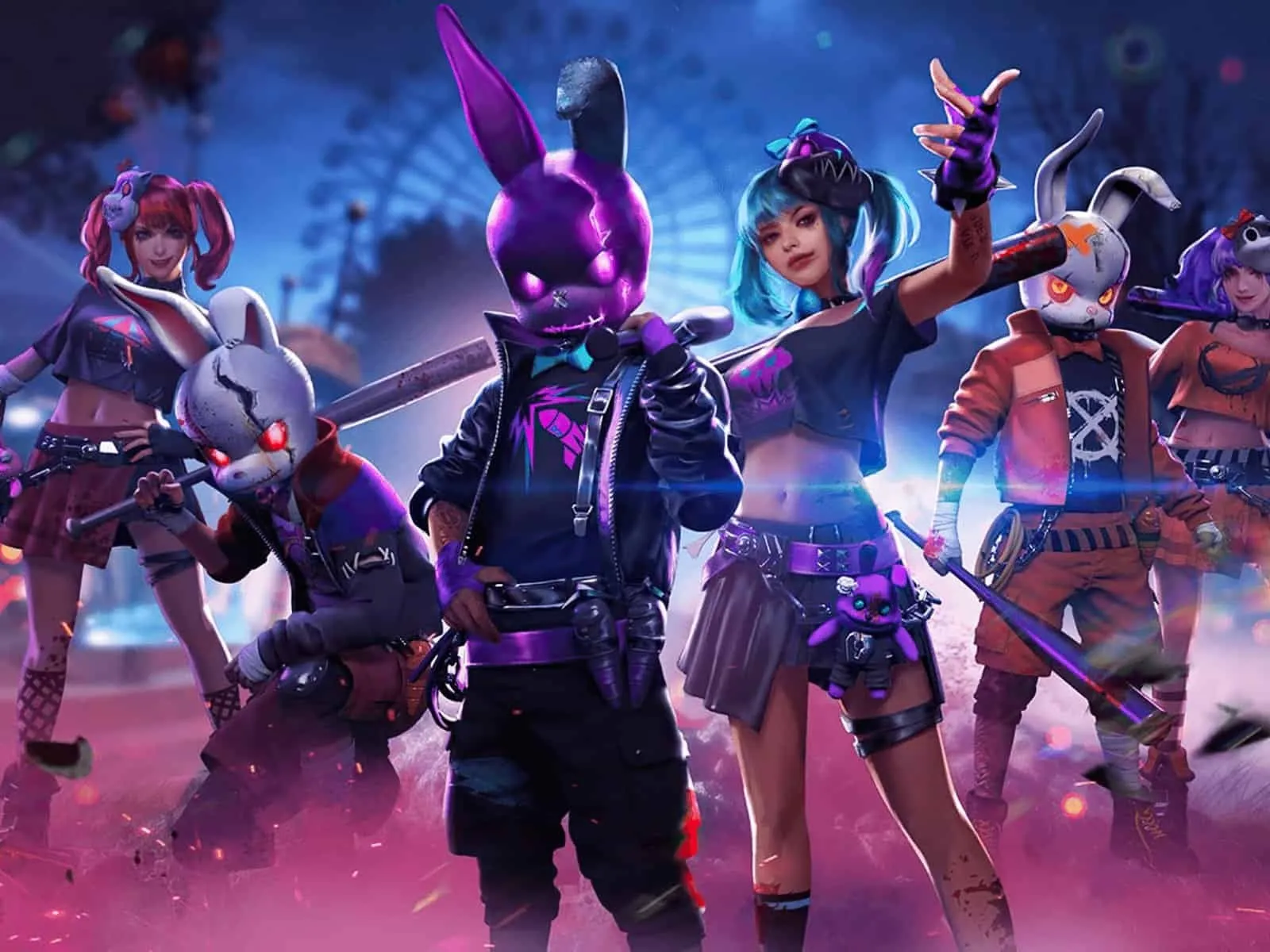
2. Free Fire: Rank Inflation Creating Chaotic Matchmaking
Free Fire’s ranked system was once considered fair, intense, and competitive. But over the years, rank inflation has caused severe matchmaking problems.
- The Expansion of Rank Rewards
Rank inflation didn’t happen overnight. It developed through:
- Introducing missions that reward rank points
- Making seasonal resets softer
- Increasing point gains for basic actions
- Allowing more players to reach high tiers
As a result, the skill distribution per rank became meaningless.
- The Matchmaking Breakdown
When too many players reach the same tier, the matchmaking system loses its ability to pair opponents appropriately. An average player could be matched with someone who has years of experience simply because both occupy the same inflated rank.
This causes frustration, lopsided matches, and rising toxicity. For many players, ranked mode no longer feels rewarding or competitive.
- Attempts to Fix the Issue
Developers try to adjust points, add new modes, and balance characters, but the fundamental inflation makes fairness difficult to restore.
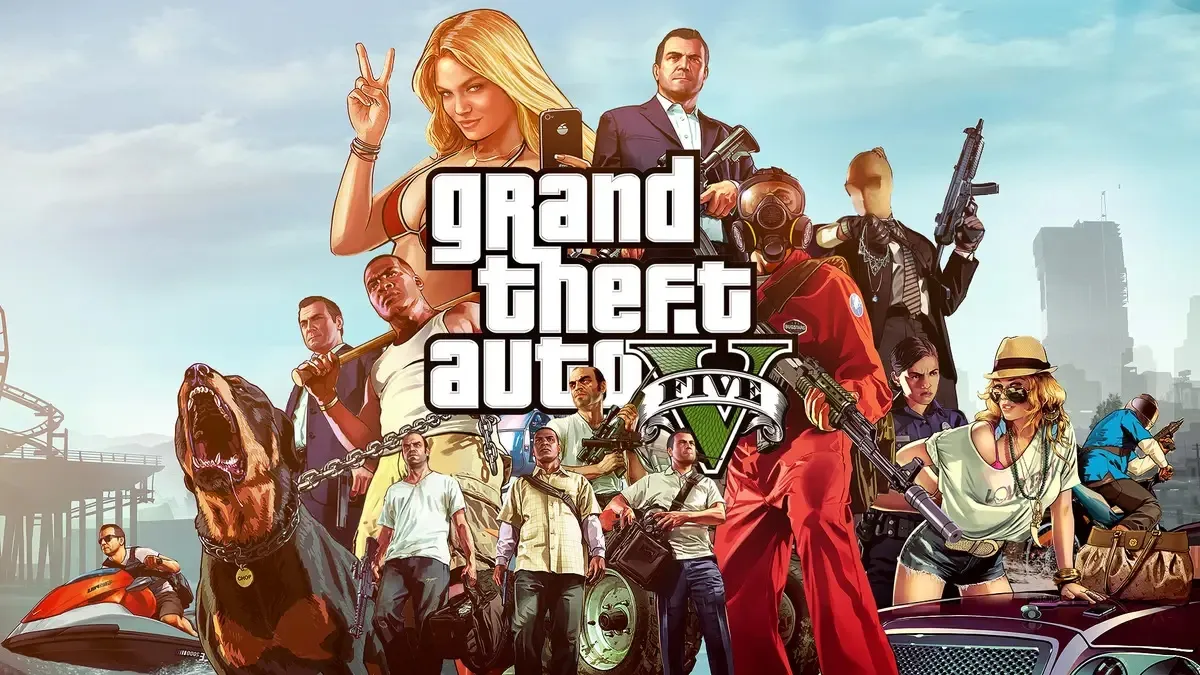
3. Grand Theft Auto V: An Economy on the Brink of Collapse
GTA Online’s economy is one of the most complex in gaming, and also one of the most broken. Inflation has reached levels where new players cannot realistically compete without grinding or spending money.
- The Early Days of the GTA Economy
At the start, the game’s economy was balanced around basic missions. But after years of updates adding:
- expensive vehicles
- businesses
- heists
- property upgrades
the price of everything skyrocketed.
- The Impact of Economic Imbalance
New players find themselves overwhelmed. A vehicle costing millions takes dozens of hours to afford. Veterans, meanwhile, rely on old money-making methods or glitches.
With missions paying nearly the same for years, the gap between item prices and income has widened dramatically.
- Why Rockstar Struggles to Fix It
Raising payouts increases inflation. Lowering prices reduces the value of existing purchases. Either approach risks upsetting large parts of the community.
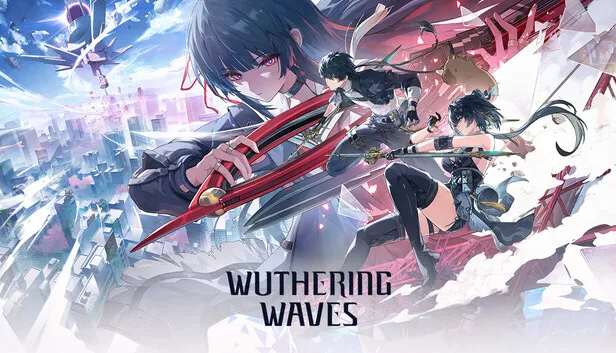
4. Wuthering Waves: Stamina Restrictions Slowing Down Progression
Wuthering Waves is praised for its combat and world design, but one system consistently frustrates players: resonance energy, its stamina system.
- How Stamina Became a Limiting Factor
Resonance energy controls how often players can:
- farm materials
- obtain echo drops
- improve character strength
- prepare for late-game content
As the game expanded, stamina demands increased, but stamina supply did not.
- The Psychological Impact of Stamina Walls
Players often hit a point where progression slows drastically. Even highly active and dedicated players feel limited because stamina caps their ability to build characters.
This disconnect between player enthusiasm and system restriction can cause burnout or forced inactivity.
- Player Suggestions
Many request:
- stamina reduction
- bonus energy from events
- additional farming methods
- alternative progression systems
Without adjustments, late-game engagement will continue dropping.
5. Minecraft: World Growth Leading to Long-Term Performance Degradation
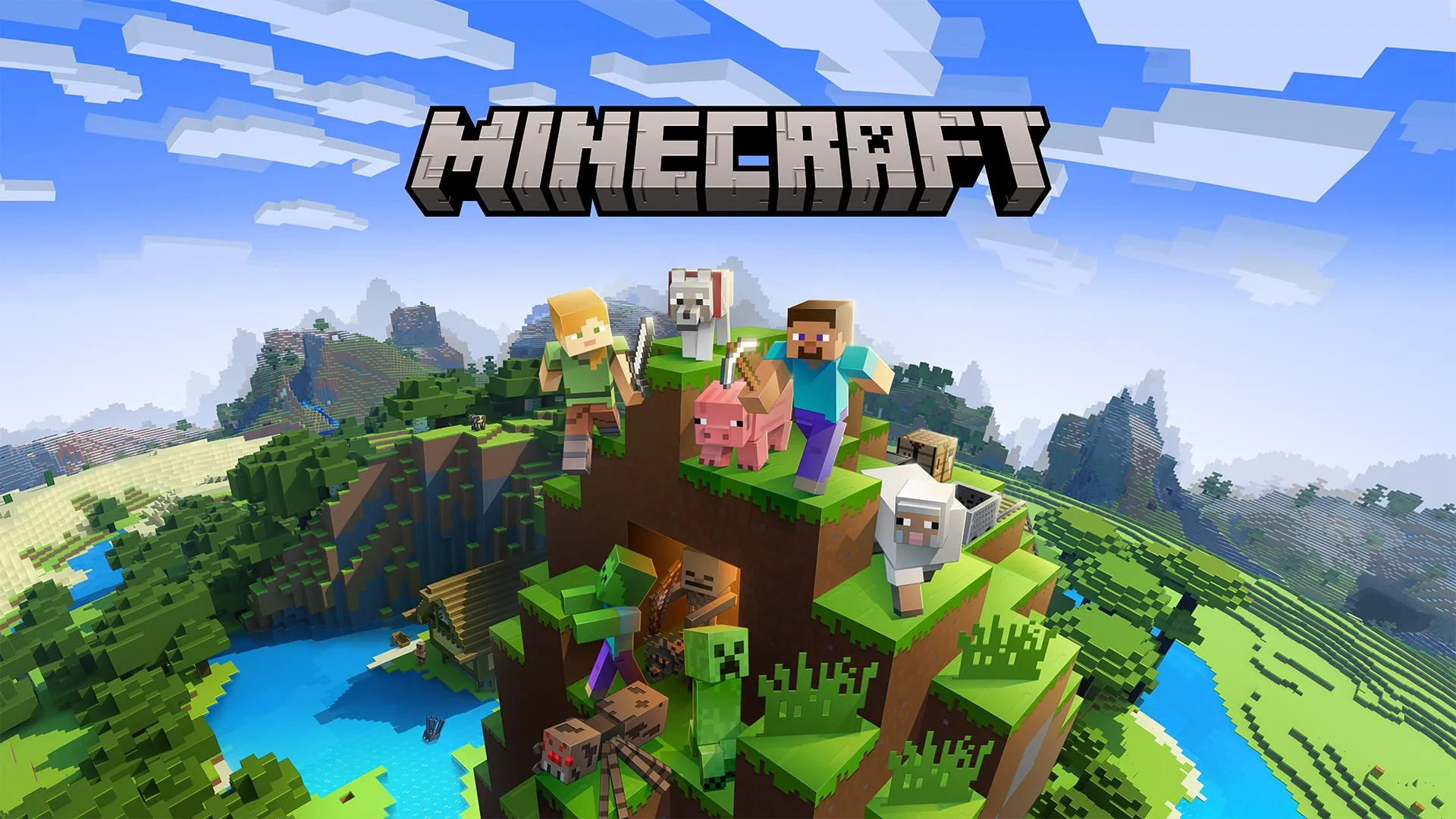
Minecraft seems infinite, but its performance is not. Long-running survival or SMP worlds become increasingly burdened over time as they accumulate complexity.
- Why Worlds Become Heavier
Every chunk a player explores stays in the world file forever. Add long-term builds, redstone machines, farms, and stored entities, and the world size grows massively.
The server or device eventually struggles to process everything efficiently.
- The Symptoms of World Decay
Players experience:
- lag
- slow chunk rendering
- frame drops
- memory spikes
On large SMPs, the issue becomes severe enough to force partial resets or world trimming.
- Community-Level Solutions
Players attempt optimization techniques, but none fully fix the underlying problem. Minecraft’s brilliance comes from creativity and world longevity, yet the game slowly resists the very worlds players build.
Patterns Across All Five Games
Even though these games are completely different, their issues share the same root: uncontrolled growth. Whether it’s Roblox’s overwhelming library or Minecraft’s massive worlds, each game confronts the consequences of long-term popularity.
When a Game Becomes Too Big for Itself
Success demands continuous updates. Updates create complexity. Complexity creates structural weakness.
The Challenge of Balancing Expansion and Stability
Developers must choose between innovating to keep players interested and stabilizing existing systems. Both can’t always happen at the same time.
How Developers Might Address These Issues
Every issue discussed here has potential solutions, though each requires difficult trade-offs.
Game-by-Game Solutions
Roblox
- Better quality signals
- More curated discovery feeds
- Protection for new players
Free Fire
- Stronger seasonal resets
- Improved matchmaking anchor points
GTA Online
- Dynamic, inflation-responsive payouts
- Reduced cost creep
Wuthering Waves
- Lower stamina usage
- More energy refill opportunities
Minecraft
- Smart chunk unloading
- Automated world cleanup
The Future of Long-Lived Games
Games that solve these deep-rooted issues will remain relevant for many more years. Those that don’t risk losing their player base gradually.
Conclusion
The top 5 most popular games in the world are powerful, deeply influential, and massively complex systems. Their success brings not only creativity and enjoyment but also underlying structural problems that affect millions of players. Understanding these issues is essential not only for players but also for analysts, developers, and marketers.
Each game faces a unique challenge, yet all share the same truth: the more a game grows, the harder it becomes to maintain balance. Addressing these issues will determine how long each title can survive at the top of the global charts.
160-Character Summary
Deep analysis of the top 5 games in 2025, revealing hidden structural issues affecting gameplay balance, progression, and long-term player experience.