





Introduction
Crop rotation is one of the most overlooked mechanics in Grow a Garden, yet it plays a critical role in long-term efficiency, soil health, and profit stability. Many players plant the same crop repeatedly without realizing that soil degradation, hidden penalties, and missed bonuses are slowly reducing their output over time.
This guide explains crop rotation in a clear, practical way. You will learn why rotation matters, how to design rotation cycles for different stages of the game, and how advanced players use rotation to maintain peak productivity without constant micromanagement. If you want your garden to stay profitable in the long run, crop rotation is a system you cannot ignore.
1. What Crop Rotation Means in Grow a Garden
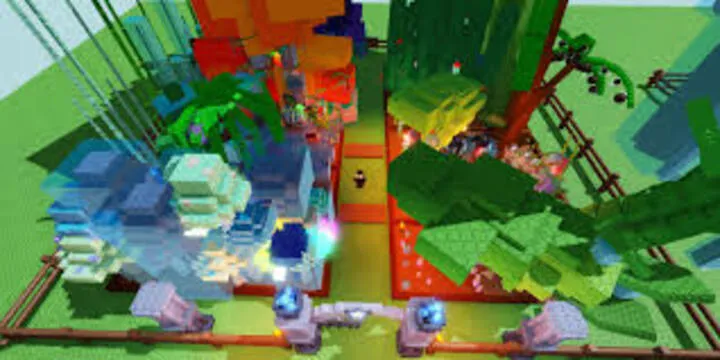
Crop rotation refers to planting different types of crops in the same plot over time instead of repeating one crop endlessly. Each crop interacts with soil in a unique way, affecting nutrients, moisture retention, and long-term fertility.
When rotation is ignored, soil efficiency slowly declines, even if the game does not always show clear warnings. Rotation resets hidden penalties and allows soil bonuses to remain effective across many harvest cycles.
2. Soil Degradation and Hidden Efficiency Loss
Soil degradation happens gradually. Crops may still grow, but yields become slightly lower, growth slows down, or fertilizer effectiveness drops.
Signs of soil degradation include:
- Slower-than-expected growth
- Lower average harvest values
- Increased reliance on fertilizer
- Inconsistent output between cycles
Crop rotation prevents these losses by giving soil time to recover naturally.
3. Early-Game Rotation for New Players
In early game, rotation does not need to be complex. Simple alternation between two crop types is enough to maintain soil health.
Effective early-game rotation:
- Fast crop → medium crop → fast crop
- Leafy crops → root crops
- Low-value crops mixed with starter premium crops
This approach keeps output stable without adding complexity for beginners.
4. Mid-Game Rotation Cycles for Profit Stability
Mid-game gardens are larger and more resource-intensive. At this stage, rotation becomes essential for avoiding efficiency dips.
Strong mid-game rotation cycles include:
- Speed crops → yield crops → recovery crops
- High-water crops → low-water crops
- Fertilized cycles → non-fertilized cycles
These rotations maintain soil balance while keeping profits consistent across seasons.
5. Crop Rotation and Seasonal Synergy

Seasons naturally encourage rotation. Each season favors different crop traits, making rotation both profitable and efficient.
Season-based rotation examples:
- Spring: fast-growth crops
- Summer: water-resistant crops
- Autumn: high-yield crops
- Winter: greenhouse or soil-neutral crops
Aligning rotation with seasons allows soil to recover while maximizing seasonal bonuses.
6. Rotation in Automated Gardens
Automation does not remove the need for rotation—it makes it more important. Automated systems repeat actions endlessly, which can amplify soil degradation if rotation is ignored.
Automation-friendly rotation tips:
- Use zone-based rotation instead of per-tile rotation
- Rotate entire plots after fixed harvest cycles
- Combine auto-planting with preset crop pools
- Schedule rotation during low-demand market periods
This keeps automated gardens efficient without manual oversight.
7. Fertilizer Interaction with Crop Rotation
Fertilizer and rotation work best together. Fertilizer boosts output short term, while rotation preserves long-term efficiency.
Best practices include:
- Avoid fertilizing the same crop repeatedly
- Rotate fertilized plots with neutral crops
- Use compost crops to recover soil
- Limit premium fertilizer to rotation peaks
This balance prevents fertilizer dependency and resource waste.
8. Rotation Strategies for High-Value Crops
Premium crops stress soil more than basic crops. Without rotation, their efficiency drops quickly.
High-value rotation strategies:
- Premium crop → medium crop → rest crop
- Premium crop followed by soil recovery cycle
- Alternating premium crops with different traits
These rotations maintain premium crop profitability over extended periods.
9. Common Crop Rotation Mistakes
Players often misunderstand rotation or apply it incorrectly. Common mistakes include:
- Rotating too frequently
- Rotating without purpose
- Mixing incompatible crops
- Ignoring soil type differences
- Using rotation without tracking results
Effective rotation is planned, not random.
10. Building a Long-Term Rotation Plan
Late-game success depends on stable systems rather than constant optimization. A long-term rotation plan reduces micromanagement while preserving peak efficiency.
A strong plan includes:
- Fixed rotation schedules
- Crop pools for each zone
- Seasonal rotation presets
- Automation-friendly transitions
With a plan in place, your garden remains productive indefinitely.
Conclusion
Crop rotation is a quiet but powerful system in Grow a Garden. By rotating crops intelligently, aligning with seasons, managing soil health, and integrating rotation into automation, you protect your garden from hidden efficiency losses and maintain stable profits. Players who master crop rotation enjoy smoother progression, lower resource costs, and stronger long-term performance.